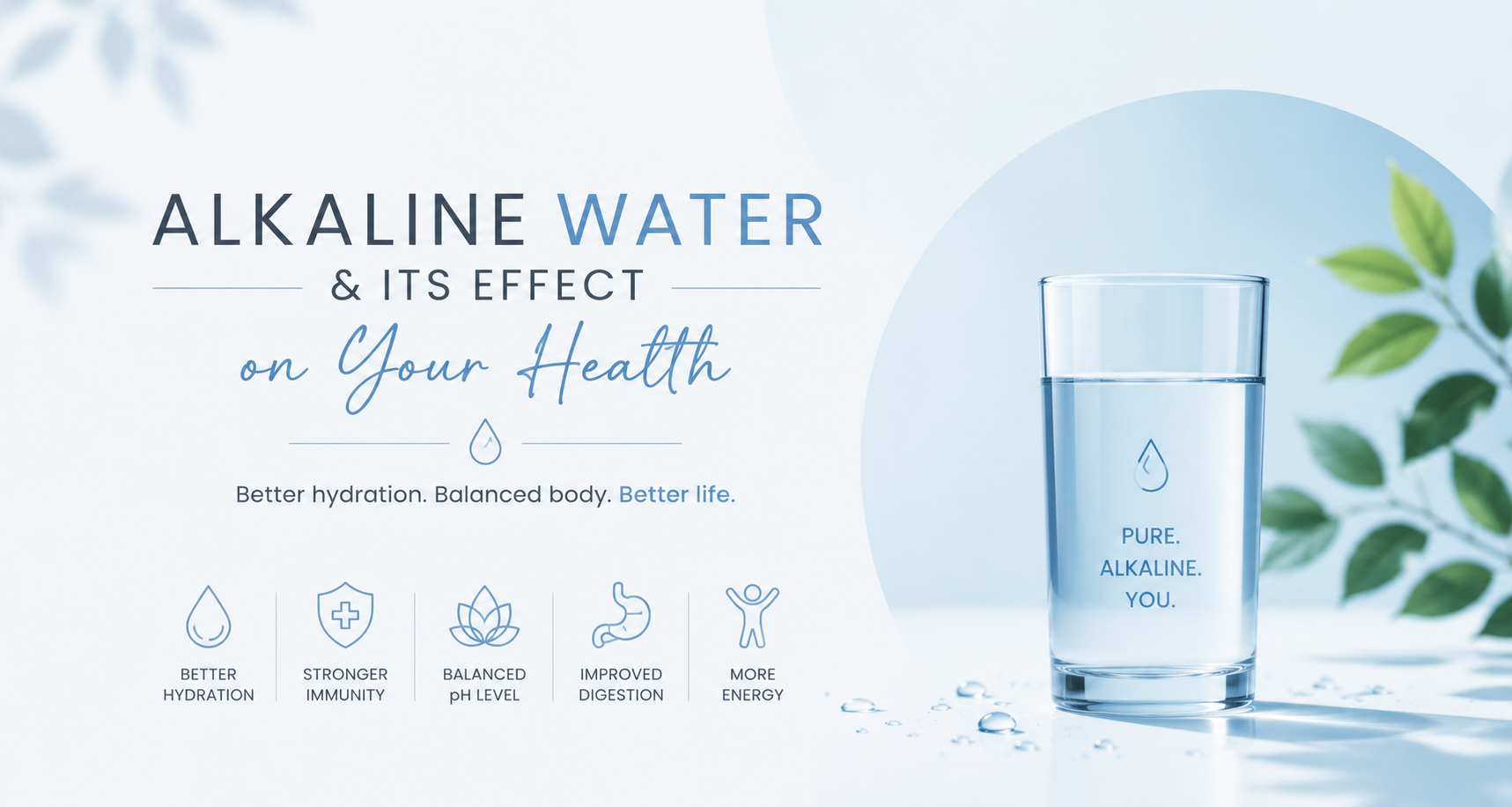
You’ve probably seen it at the gym, on wellness Instagram, in the fridge at the upscale café where a bottle costs four dollars. Alkaline water. The label promises better hydration, acid neutralization, anti-aging properties, improved athletic performance. Sometimes it comes with a mountain on it and the word “ionized.” Sometimes it’s just a pH number printed where a nutrition label would normally go.
People buy it. A lot of people. The global alkaline water market was valued at over $1 billion in 2023 and is still growing. That tells you something about human psychology, if not about the water itself.
So what’s actually going on here? Is alkaline water genuinely useful, mildly useful, or expensive nonsense? The answer is complicated — and less dramatic than both the marketing and the debunkers would have you believe.
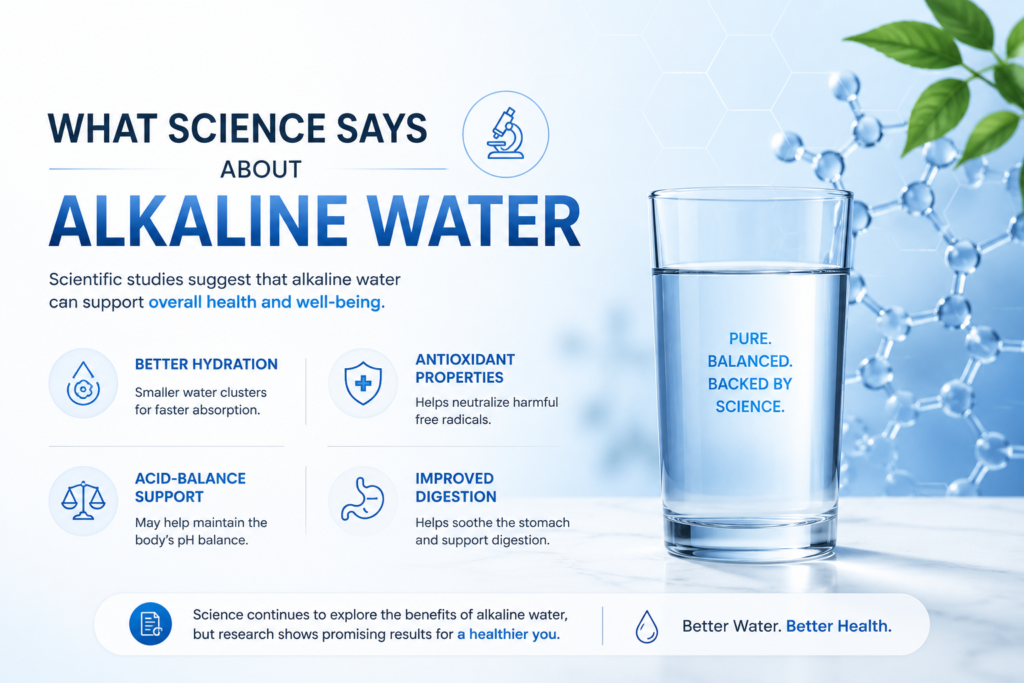
What “Alkaline” Actually Means
pH is a scale from 0 to 14. Below 7 is acidic. Above 7 is alkaline. Pure water sits at exactly 7 — neutral. Most tap water is somewhere between 6.5 and 8.5, depending on where you live. Alkaline water is typically sold at a pH of 8 to 9.5.
The alkalinity usually comes from one of two sources: natural mineral content (water that picks up calcium, magnesium, potassium, and bicarbonate as it runs through rocks) or an electric ionizer that uses electrolysis to separate water into alkaline and acidic streams.
These two sources are not the same thing, and it matters. Naturally mineral-rich water has been around for centuries. People have been drinking spring water from alkaline sources in places like the Himalayas and the Alps for generations. The ionized version is newer, more manufactured, and the two shouldn’t be treated as equivalent just because they share a pH number.
The Body’s pH: Already Handled
Here’s where the core alkaline water claim runs into trouble.
Your blood is maintained at a pH between 7.35 and 7.45. Not because of what you drink — because your body is extremely good at keeping it there. Your kidneys filter excess acid. Your lungs adjust carbon dioxide levels in real time. This system is tight, responsive, and not meaningfully influenced by whether your water is pH 7 or pH 9.
If your blood pH drops below 7.35 or climbs above 7.45 for any sustained period, that’s a medical emergency. It doesn’t happen from eating acidic foods or drinking regular water. The idea that drinking alkaline water makes your body “less acidic” is, at best, a misuse of chemistry terms.
What alkaline water can do is briefly raise the pH of your stomach. Your stomach normally runs between 1.5 and 3.5 — very acidic, deliberately so, because that acid is how you break down food and kill pathogens. Drink alkaline water, and that pH ticks up temporarily. Then your stomach compensates by producing more acid. The net effect on systemic pH: essentially zero.
This doesn’t mean alkaline water does nothing. It means the mechanism being sold to you — that you’re alkalizing your body — isn’t accurate.
What the Research Actually Shows
Most people arguing against alkaline water will stop at “the body regulates its own pH” and leave it there. That’s fair, but it skips over a handful of small studies that are at least worth knowing about.
Acid reflux. A 2012 study published in The Annals of Otology, Rhinology & Laryngology found that water with a pH of 8.8 permanently deactivated pepsin, an enzyme involved in acid reflux damage. For people with laryngopharyngeal reflux (the kind where acid gets all the way up to the throat), this could plausibly help. The study was small — lab-based, not a clinical trial — and it hasn’t been replicated at scale. But the mechanism is real, and some gastroenterologists acknowledge it as a reasonable hypothesis worth testing.
Hydration after exercise. A 2016 study in the Journal of the International Society of Sports Nutrition found that people who drank alkaline water after intense exercise showed better blood viscosity (how thick and sticky the blood is) compared to those who drank regular water. Thinner blood after exercise means the heart doesn’t have to work as hard. The study had 100 participants, which is reasonable for this kind of research, but it was funded by an alkaline water company — which doesn’t make it wrong, but does mean you should hold the findings loosely.
Bone health. Some researchers have looked at whether high-acid diets leach calcium from bones and whether alkaline diets protect against this. The “acid-ash hypothesis” was popular in the early 2000s. Later research largely debunked the idea that dietary acid meaningfully depletes bone density in healthy people with normal kidney function. The connection to alkaline water specifically is even weaker.
Blood sugar and blood pressure. A few animal studies have suggested possible benefits for diabetes markers and hypertension. These have not translated to human trials in any convincing way.
The honest summary: the evidence is thin, preliminary, and often conflicted. That’s not a reason to assume alkaline water is harmful — it’s a reason to be skeptical of anyone who tells you it’s transformative.
The Ionizer Industry
If you go deep enough into alkaline water culture, you’ll find a whole universe of ionizer machines — devices that attach to your kitchen faucet and use electrolysis to raise the pH of your tap water. These machines run from a few hundred dollars to several thousand.
The companies selling them make large claims. Some position the water as a cure for everything from cancer to diabetes to chronic fatigue. These claims are not supported by evidence, and in many countries they would violate advertising standards. The FDA has generally not approved ionized water for treating any disease.
There’s also a practical issue: the ionization process raises pH but doesn’t add minerals. Naturally alkaline spring water gets its pH from calcium, magnesium, and bicarbonate — minerals your body can actually use. Ionized water achieves its pH electrically, without necessarily changing mineral content in the same way. Whether this difference matters physiologically is not well studied, but it’s a reason to treat the two types as distinct products.
What You’re Actually Paying For
A bottle of alkaline water at a convenience store costs roughly two to four times what regular bottled water costs. An ionizer machine can run $1,500 to $4,000. A lifetime supply of alkaline mineral water from a reputable spring source would still cost significantly more than filtered tap water.
What do you get for that money?
Possibly: slightly reduced acid reflux symptoms if you have GERD or laryngopharyngeal reflux. Possibly: marginal hydration differences after very intense exercise. Definitely: water that tastes slightly different — many people describe alkaline water as “smoother” or “softer,” which may be due to mineral content or just expectation.
What you probably don’t get: anti-aging benefits, cancer prevention, immune system boosts, detoxification, or any meaningful change in your body’s pH.
If you find alkaline water more pleasant to drink and it gets you to drink more water overall, that’s a real benefit — not because of the pH, but because hydration matters. Plain water at pH 7 does the same job for a fraction of the cost.
Who Might Actually Benefit
There are a few groups where the case for alkaline water is at least somewhat plausible:
People with chronic acid reflux. If you have GERD or laryngopharyngeal reflux and you’ve tried standard treatments without full relief, it’s not unreasonable to try high-pH water as an adjunct. The pepsin-deactivation mechanism is real even if the clinical evidence is limited. It’s cheap to test and unlikely to cause harm.
Endurance athletes. If you’re doing prolonged, high-intensity exercise and you’re already dialed in on nutrition and hydration, the blood viscosity data is at least interesting. This is a marginal edge at best, not a game-changer — but for competitive athletes, marginal edges add up.
People in areas with naturally alkaline spring water. If you live somewhere where the local spring water is naturally mineral-rich and alkaline, drink it. You’re getting calcium and magnesium along with the higher pH. That’s different from buying ionized water from a company promising miracles.
For everyone else: regular filtered water, consumed in adequate quantity, does everything you need water to do.
Why the Wellness Industry Loves This Stuff
Alkaline water sits at a perfect intersection for wellness marketing. It’s scientific-sounding (pH is a real thing that real scientists measure). It’s slightly counterintuitive (water doesn’t usually have a “type”). It’s hard to definitively disprove on a personal level (if you drink it and feel better, the water gets the credit regardless of what actually caused the improvement).
It also fits neatly into a broader narrative that’s been popular for decades: that modern diets and environments are making us “too acidic” and that correcting this imbalance is the key to health. This narrative is not supported by physiology, but it’s persistent because it gives people a simple framework and a simple fix.
The “acidic body” idea has been applied to everything from cancer to arthritis to fatigue. None of those applications have held up to scrutiny. But the underlying anxiety — that something in modern life is quietly making us sick and that there’s a product that can fix it — never really goes away.
The Bottom Line
Alkaline water is not dangerous. For most people, it’s also not necessary.
The marketing is, mostly, fiction. Your body doesn’t need help staying alkaline. You can’t meaningfully change your blood pH by drinking different water. The anti-aging, detox, and immune-boosting claims are not backed by science.
There are small, specific scenarios where alkaline water might offer modest benefits — acid reflux, post-exercise hydration for serious athletes. Those are real, if limited. They’re also not what’s on the label.
If you like the taste and you can afford it, drink it. If you’re buying it because you believe it’s going to transform your health, the money would probably be better spent elsewhere — on vegetables, on sleep, on regular exercise. Those things have an enormous amount of evidence behind them.
Alkaline water has a pH number and a mountain on the bottle. That’s most of what you’re paying for.